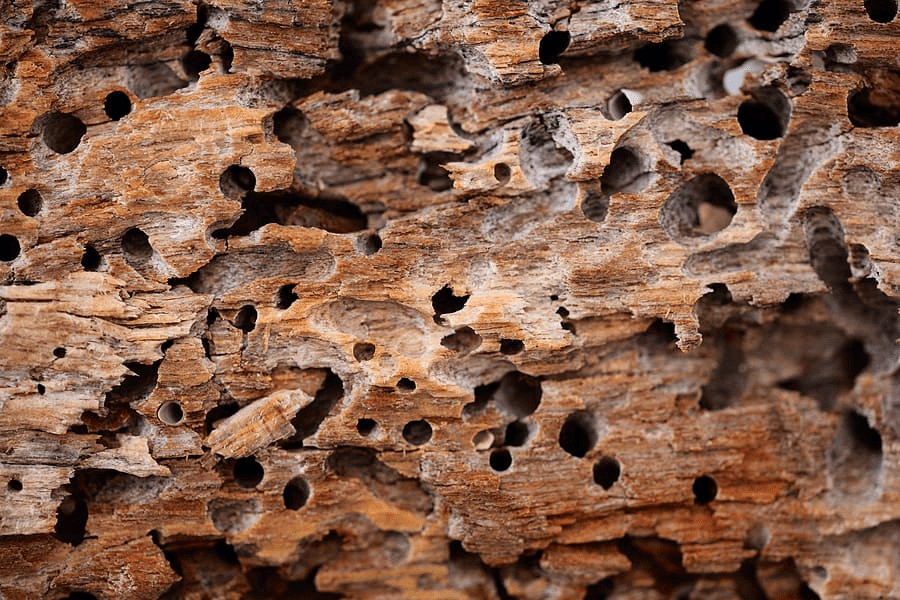
Termites are one of the most destructive pests homeowners in Austin face. With warm temperatures and high humidity for much of the year, Central Texas creates the perfect environment for termite colonies to thrive—often unnoticed until thousands of dollars in damage have been done.
This guide will help you recognize the early warning signs of termite activity, understand the types of termites common in Austin, and take practical steps to prevent infestations before they start.
Why Termites Are a Serious Threat in Austin
Texas is one of the most active termite regions in the country, and Austin sits squarely in what pest control professionals call the “Termite Belt.” The combination of mild winters, long summers, and moisture from seasonal rains makes the area highly susceptible to infestations.
According to the National Pest Management Association, termites cause over $5 billion in property damage each year—and most homeowner insurance policies do not cover termite damage.
Common Termite Species in Austin
Understanding which types of termites are prevalent in Austin can help you know what to look for:
1. Subterranean Termites
These are the most destructive and most common in Central Texas. They live underground and build mud tubes to access wood above the surface. They’re difficult to detect and can cause serious structural damage before being discovered.
2. Drywood Termites
Less common, but still found in Austin, especially in older or poorly sealed homes. These termites live inside the wood they consume and don’t require soil contact. Their colonies are smaller but harder to detect without signs like frass (termite droppings).
Early Signs of Termite Activity
Catching termites early is the key to avoiding extensive and expensive repairs. Here are some of the most common warning signs:
1. Mud Tubes
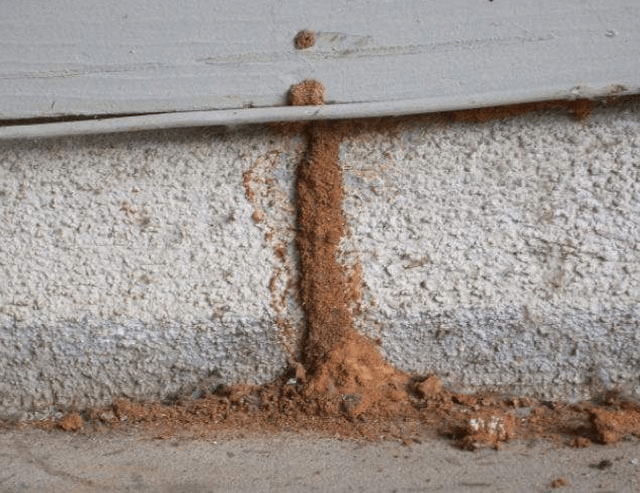
Subterranean termites build pencil-width mud tunnels on foundation walls, crawl spaces, and support beams to maintain moisture as they travel between the soil and wood.
2. Discarded Wings
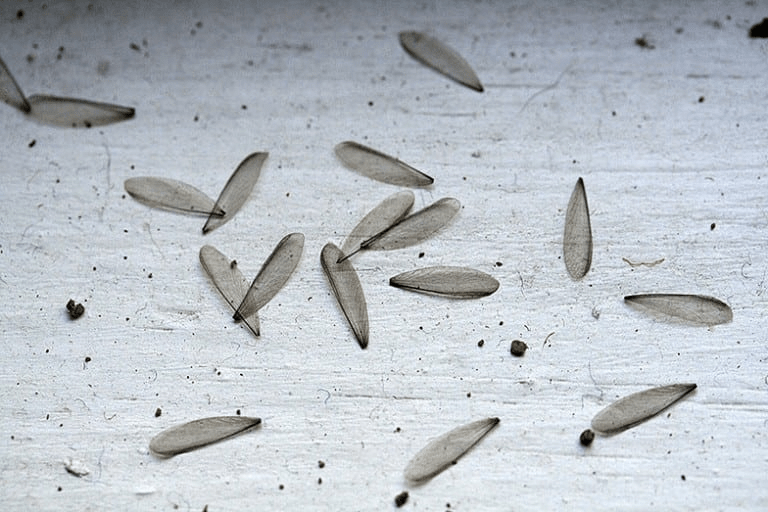
After a termite swarm, you may find piles of tiny, translucent wings near windowsills or doors. These wings are left behind when termites find a place to start a colony.
3. Frass (Termite Droppings)

Drywood termites push fecal pellets out of small holes near their nest. Frass resembles sawdust and can indicate internal wood activity.
4. Hollow or Damaged Wood

Knocking on wooden beams, baseboards, or door frames that sound hollow could be a sign that termites have tunneled inside.
5. Tight-Fitting Doors or Windows

Moisture produced by termites can cause wood to warp, making doors or windows suddenly hard to open or close.
Termite Prevention Strategies for Austin Homes
Because termites are so common in this region, prevention is essential—even if you’ve never had a problem before.
1. Schedule Annual Termite Inspections
Hire a licensed pest control professional to inspect your home once per year, especially if your home is more than 5 years old. Early detection is the best defense.
2. Reduce Wood-to-Soil Contact
Avoid direct contact between soil and wood on decks, fences, siding, and crawl space supports. Use concrete or metal barriers wherever possible.
3. Fix Moisture Problems Immediately
Termites are drawn to damp environments. Repair leaky faucets, gutters, and air conditioning drain lines as soon as problems arise.
4. Remove Wood Debris Near the Foundation
Keep firewood, tree stumps, cardboard, and untreated lumber at least 15–20 feet from your home.
5. Seal Entry Points
Caulk and seal cracks in the foundation, roof, and siding. Install mesh screens over vents to block entry.
When to Call a Professional
If you notice any of the warning signs listed above—or if your home hasn’t been inspected in more than a year—it’s time to call a licensed termite control provider. Many Austin-based companies offer free or low-cost inspections and treatment plans designed for our specific regional conditions.
Final Thoughts
Termites are a year-round concern in Austin, but with regular inspections and a few smart preventative measures, you can protect your home and your wallet. As the saying goes: the best time to deal with termites is before you have them.
For more home maintenance tips tailored to Austin’s unique climate, subscribe to AustinHome.blog or check out our upcoming article on the best pest control companies in Austin—coming next week.


 Austin Home Blog
Leave a comment